
FEEL IN DAILY LIFE
I learned many years ago that being good with horses required a large degree of ‘feel’. For a long time, I worked hard at learning to apply feel in everything I did around a horse. But it was something reserved only for when I was around horses. I didn’t give much thought to feel when I was not interacting with horses. However, I eventually learned that the opportunity to develop better feel was all around me - every day in every way.
When I get off the airplane at Los Angeles International Airport, the world explodes before me. People everywhere scurrying like ants in a nest before a rainstorm. It’s overwhelming to the senses. But very quickly I have to figure out how to navigate through the crowd that wants to sweep me along with it. It’s like being caught in a flooding river taking me to the sea. At first, I am jostled along and hear myself saying “sorry” to every second person that I bump elbows with. But soon I find I am seeing a pathway several metres ahead that provides me with an easy passage. I see in my mind how to avoid the constant collision with other commuters and feel when to speed up and slow down, when to slide to the left and shimmy to the right. I’m no longer fighting the river. I am part of it.
Several years ago I was driving American horsemanship clinician and friend, Harry Whitney, to a clinic. Harry had a killer headache and felt nauseous, but we needed to drive on a very windy, narrow road despite his insistence that if I was a real friend I would immediately end his life as a favour. Knowing the delicate nature of my friend’s condition, I did my best to ensure my driving was as smooth as I could make it. I was trying to drive at a constant speed and approach each corner in a way to minimize the angular acceleration to avoid making Harry sick. He noticed how smoothly I was driving and expressed his appreciation. It was not until then that I realized I was driving by feel rather than a plan.
On another occasion, I was picked up by a clinic host to be taken to his ranch where I would do a clinic. Along the way, I noticed the driver would surge the car forward to catch up to the car in front, then brake quickly to avoid colliding into its rear. Then he would accelerate again as the gap in front increased and once more brake hard to prevent an accident. This continued for the entire drive to his property. I felt ill from the constant sudden acceleration and hard braking. My body was being jolted forward and then pushed backward again every few seconds. It was both infuriating and nauseating.
While at the clinic, I was thinking about how the driver handled both his horse and his driving. I realized that the same lack of feel the fellow had while driving was the same lack of feel he had while riding. Then it occurred to me that the way I quickly developed a feel for negotiating my way through the bustle of LAX and driving my friend who had a headache was similar to the way I develop feel when I work with a horse.
I began to realize that the feel I have when driving a car or the feel in knowing how hard to hit a nail or pour milk into a glass is the same feel I bring to my horsemanship. But it can go even further than just the feel of the physical world.
As I thought more about this concept, I became aware that the way I approach dealing with people requires considerable feel. I know when Michele walks into the house at night what mood she is in without her even saying a word. When I am speaking to somebody on the telephone, I can gauge whether or not they are listening or are distracted. My lie detector skills are moderately good when somebody is telling me a story. I realize that these skills I have in my everyday life are the same skills that I bring to my horsemanship. It’s not like I have one set of skills of feel for working with horses and another set for getting by in life.
Conversely, I often see people who bring very little feel to their horsemanship also struggle with feel in their life. Folks who struggle to negotiate a shopping trolley down a crowded aisle or lack feel when comforting a friend also battle with applying feel to their horsemanship.
People talk about the importance of having feel when working with a horse. We know that the better feel a person has when working with a horse, the better their communication and relationship can be. People like me are always droning on about presenting a feel to the pressure they offer a horse rather than issuing a command of all-or-nothing pressure. But very few people seem to understand that the feel they apply in their daily life is not so different from the feel they need to apply to their horsemanship.
The way we reverse a trailer into a space or placate with a disgruntled customer or connive a spouse into agreeing to buy another horse is the same skill we need to bring to our work with horses. The feel we use in our civilian life is not so different from the feel we need when dealing with a horse. They are similar in many ways.
In short, we can practice our feel without a horse even being around. We can work on better feel in our driving or dealing with people or walking through a busy shopping mall every day of our life. Then go out to the paddock or arena and put that to work to the benefit of both our horses and us. We don’t need to wait for our instructor or clinician to yell at us about how to apply feel if we remain aware of how we use feel in our everyday life.
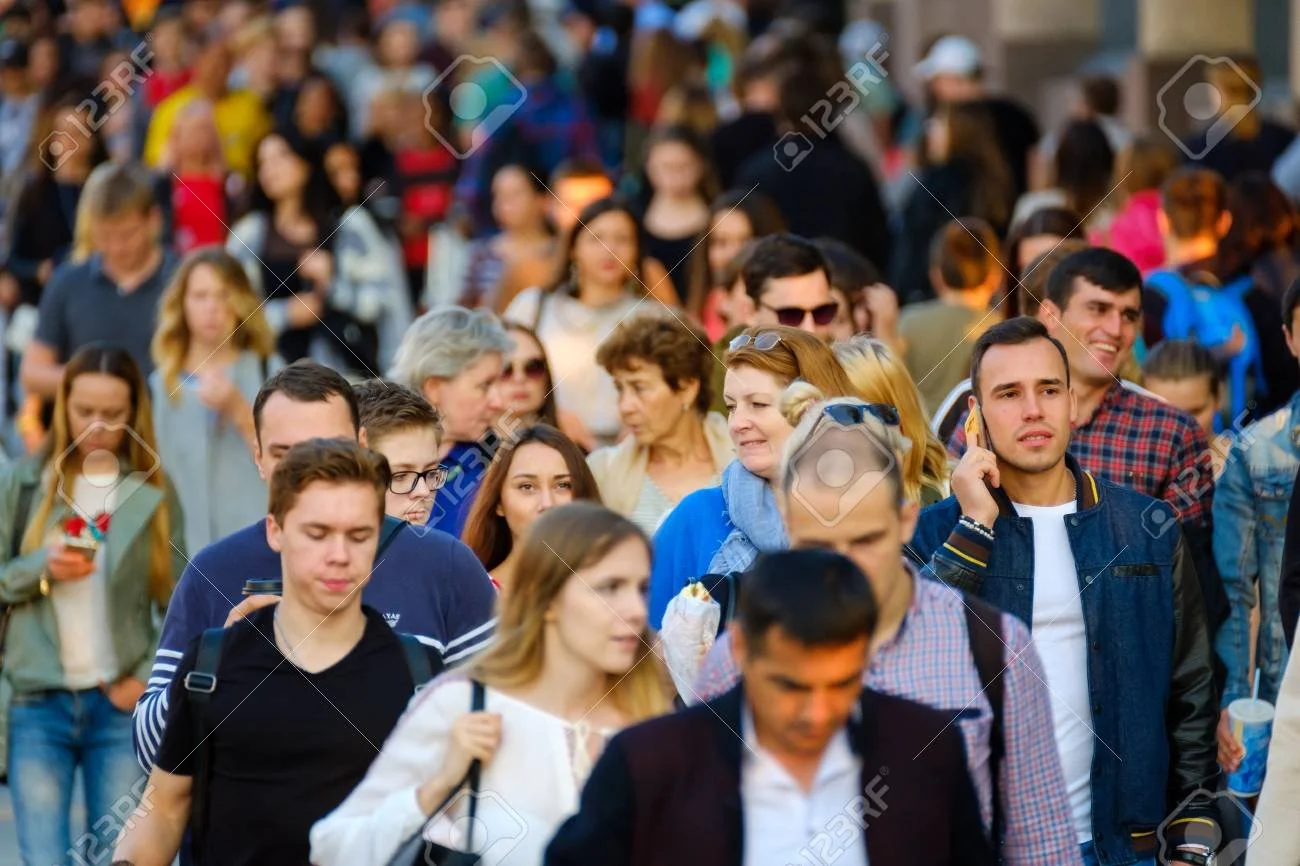
It takes feel to navigate through a crowd smoothly