SOME WISE WORDS FROM AMOS
Below is a chapter from my book, Old Men and Horses. I’m posting it because it is so relevant to a discussion (via email) I had recently with a woman. For those that are not familiar with this book, it is a series of short stories featuring me as a teenager and two old twin brothers called Walt and Amos who mentor me through my horsemanship journey. BTW, this is perhaps my favourite Walt and Amos story and a timely reminder for those of us who sometimes feel like we a bashing our heads against a wall with our horses.
________________________
A few months back I was at a dinner party with some friends. A couple of them were close friends and some were just friends of friends whom I knew from occasional get-togethers. All the women were horsey. So, much to the chagrin of their husbands at the table, the conversation naturally turned to horses. Because everybody knew that I was a trainer, a lot of the conversation seemed directed to me. I was told about the trials, tribulations and success of each person’s horse. It was as if each one was looking to me for approval for what they had done or not done with their horses. I felt like the psychiatrist at a party where everybody wanted me to confirm that they were not nuts.
At one point I was talking with a lady who liked to compete in show classes. She had only had her horse about 6 months and said he was trouble-free except he pig-rooted in the canter transitions. That was his only problem according to her. She admitted that the horse had gone really well in the first few weeks and she really loved him. But since the horse developed the pig- rooting problem she was beginning to think she had made a mistake. She said she was getting help from a local coach. The coach had told her that she should give the horse another couple of months of work. If the horse didn’t make the grade by then she should sell him. After all, what good is a show horse that pig-roots?
The lady droned on and on and my mind stopped listening. Instead I started to wonder, why does somebody like this have a horse? It has always bamboozled me how somebody can claim to love their horses with so much passion when things are going well. But in a matter of days or weeks decide to sell a horse because they have hit a hiccup in the work. Was it because people wanted their relationship with their horse to be problem-free? I guess it is understandable in the light that most people can’t have a problem-free life in their dealings with people. Maybe they go looking for it in their relationship with their animals. Or perhaps people like horses to pamper their ego. If your horse is working well, it feels good. Others admire your horse, judges reward you for your work with your horse and you become recognized as being good with horses. But if your horse does not go well it is hard to find much to boost your ego or your confidence.
I was reminded of a time when Amos was driving me across Sydney to a show. He was driving the old beat up Bedford truck and we had Hank in the back. Hank was a 16.1hh thoroughbred that I had been jumping at shows around Sydney. Hank’s owner was our usual means of transport, but she had a family day and was not able to come along. Amos was kind enough to volunteer to act as driver, groom and coach.
We had been talking away for awhile. Well actually I had been trying to pump him for information about his past. Amos and his twin Walt seemed to have no past. They never talked about much except horses and I wanted to know more about them. But Amos was a pretty cool customer and evaded most of my questions with his own questions. At one point he asked me which was my favourite horse at the moment.
“Hank!” I said.
“Why?”
“Well, because he wins nearly everything we enter. I reckon we will be in B grade before the end of the season,” I replied.
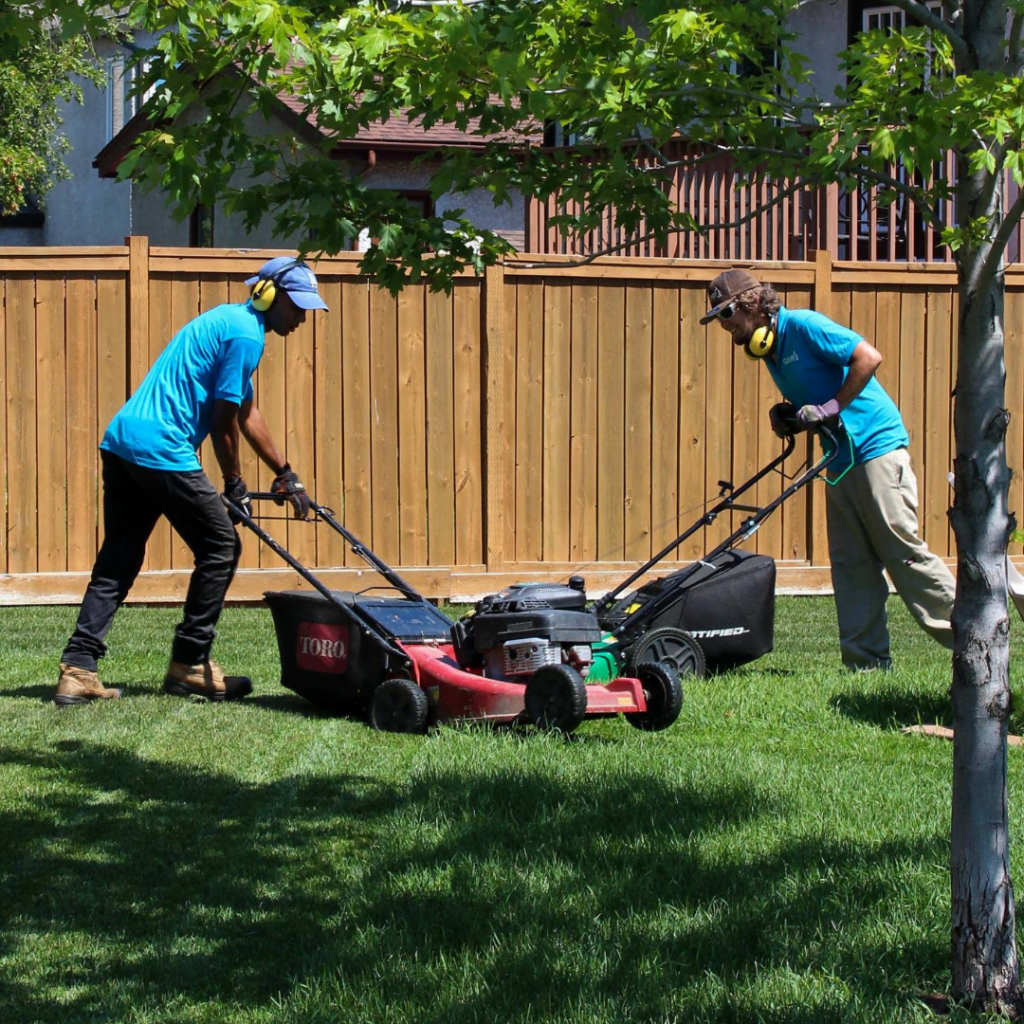
Amos was quiet in thought for a few moments. I thought it was just because he was waiting for the traffic light to change green. Then he said, “See them two fellows over there with them whipper snippers cuttin the grass on that bank?”
“Yeah.”
“Which one would you give a job?” he asked.
I watched for a little while. I thought Amos was trying to give me a trick question. It was obvious that the fellow in the blue shirt had done more grass cutting on his side of the bank. He also seemed to have done a smoother job. The fellow in the hat had missed a few spots and would have to go back to cut the grass more evenly.
I said, “I’d give the fellow in the blue shirt a job first.”
“Why?” Amos asked.
“Because he seems to be a harder worker and has done a better job,” I said with some confidence.
“What if I told ya the fellow with the hat is tryin just as hard or maybe harder than the other fellow, but he just wasn’t as talented at cuttin grass?” Amos threw in.
“Well, if I was paying them I’d still want the guy who was going to do the better job,” was my reply.
“Well then matey, who looks after the other fellow?” Amos asked.
“What do you mean, Amos?”
“Well matey, the bloke in the blue shirt is a good worker. No doubt. In fact, so good that he’ll get a job anywhere. He’d have no trouble gettin a job. He’ll always be able to look after himself, feed his family and pay his bills. But the fellow in the hat probably won’t be able to always get a job when there are fellows with blue shirts to take those jobs. So who looks after him? Who feeds his family and pay his bills? He’s doin the best he can, but he just can’t compete with fellows in blue shirts when it comes to cuttin grass.”
“So, would you give the fellow in the hat a job, Amos?”
“Maybe. Maybe I can help a fellow like that. Maybe I can teach him to try harder or teach him a skill that he’d be better at than cuttin grass or maybe I can just help him find the fun in his work. I dunno that I can do any of those things or that it would even be a smart thing to give him a job. But maybe it’d be the smartest thing I ever did ‘cause he’d maybe turn out to be the best worker I ever had. But at least I know I had done somethin for him and his family. Because I gave him a job when he needed it and nobody else would.”
I was confused. I knew Amos had a message in there for me, but I couldn’t get it.
“What are you talking about, Amos?”
“Matey, a relationship can be many things. But the best relationships are never one-sided. You’d give the fellow in the blue shirt a job because you reckon he’d work for you better than the other fellow. You think Hank is the best horse you’ve ridden in quite awhile because he wins more ribbons for you. What do you give back to Hank? Nothin. Nothin that you don’t give to those other horses. Would you still like Hank just as much if he still tried as hard, but never won anythin?
“You like things because it’s about what you get back. When you find a relationship that you have to put in as much as you get back, you’ll know what I mean. The best relationships you’ll ever have will be the ones when you can contribute. That goes for your horses, your dogs, your friends and for anybody you give a job.”
I think I now know what Amos was talking about. Over the years I think the horses I have most enjoyed are the ones who were the most in trouble and for whom I was able to give the most help. None of those horses ever became more than safe to ride. None achieved success at higher levels of competition - none of them had enough talent. But they were able to find a spot in their life where they could get along with humans and do the best they could every time somebody asked something of them. The lesson Amos taught me was to enjoy horses for what they are and not for what I wanted them to be.